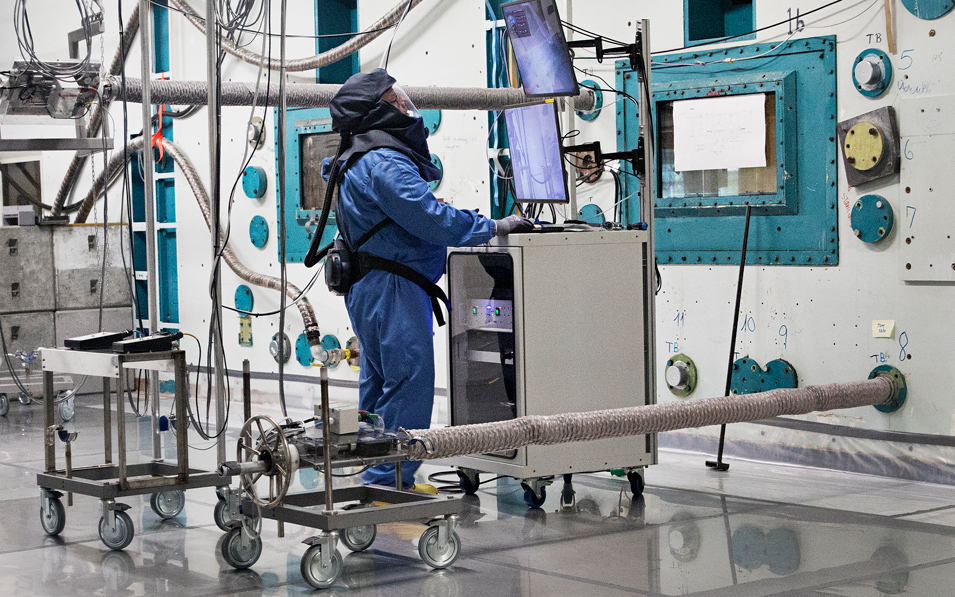
15 Dec Watch video: Rough cleaning of Hot Cells underway
Following several years of planning and preparatory work, the highly radioactively contaminated Hot Cells are now undergoing decontamination.


Following several years of planning and preparatory work, the highly radioactively contaminated Hot Cells are now undergoing decontamination.
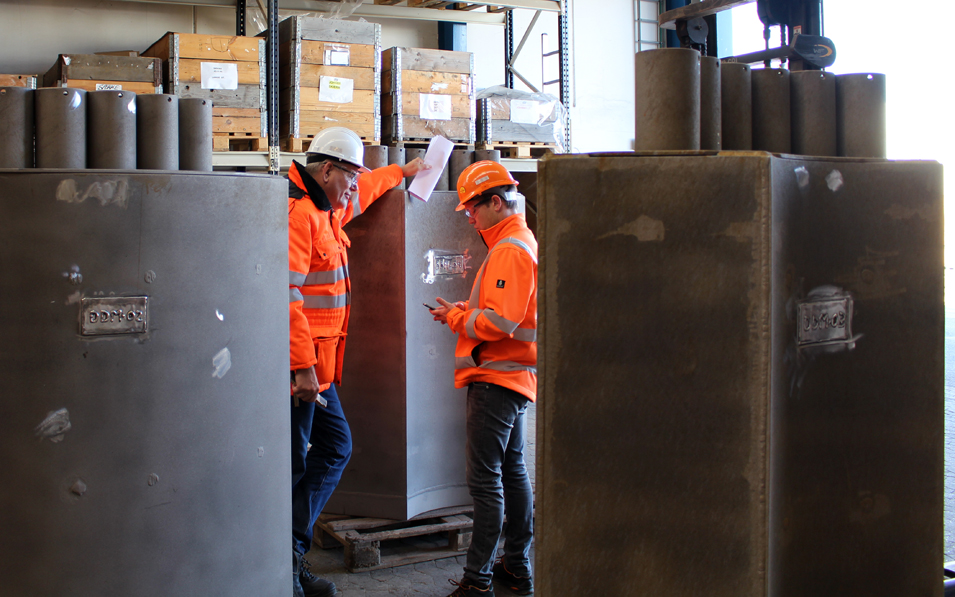
The first shipment of the many specially designed steel containers, to be supplied by Bladt Industries, has now arrived at DD. Four so-called 'moon containers' were included in the shipment.
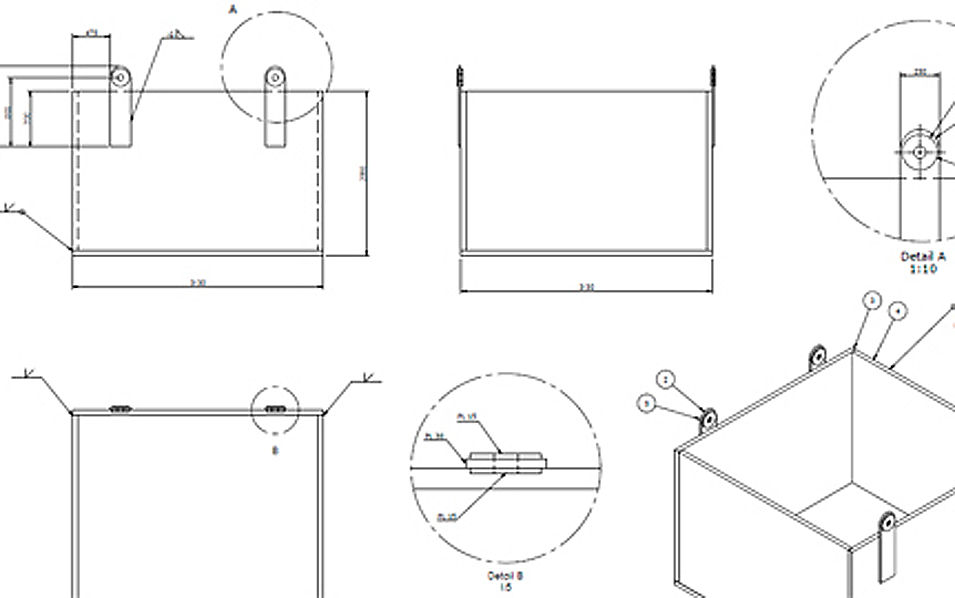
Danish Decommissioning enters into a significant contract with Bladt Industries A/S for the supply of custom-made steel containers for radioactive waste.
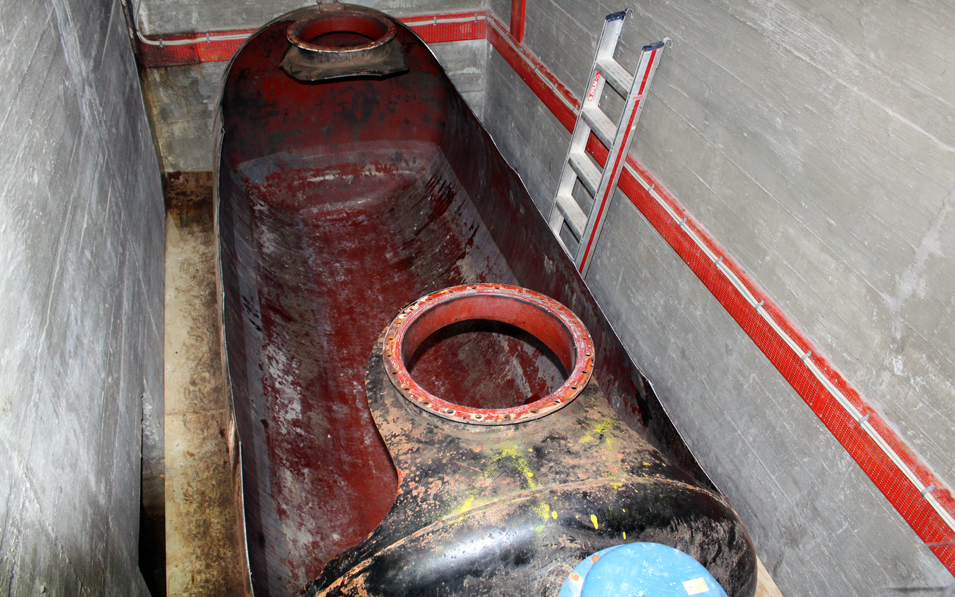
In a narrow and labyrinthine basement beneath the Hot Cells, a continuous and rapid hammering sound can be heard these days. A couple of DD's employees are in the process of cutting up two old tanks.
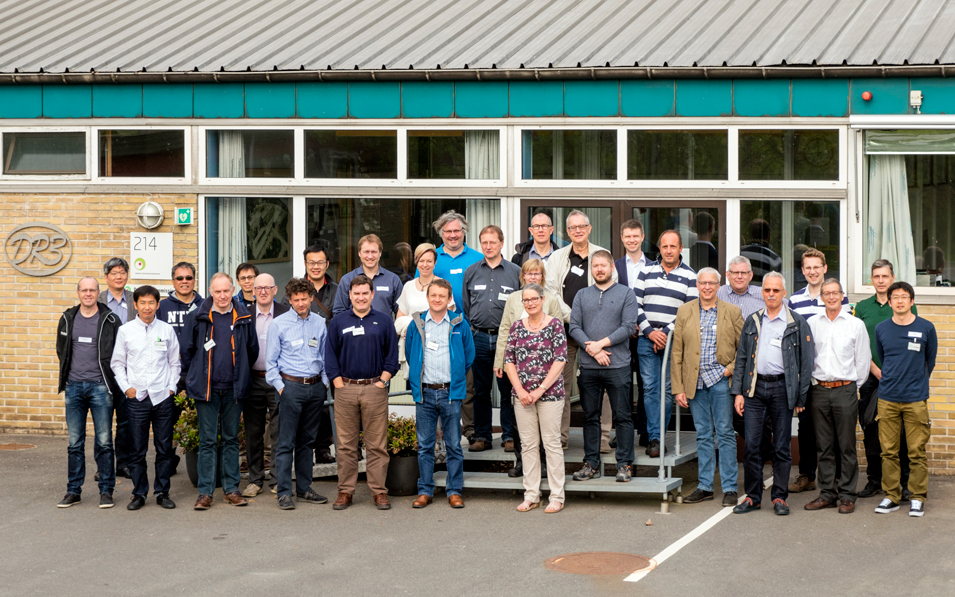
Valuable advice and useful knowledge were exchanged when Danish Decommissioning hosted the semi-annual international TAG conference last week, in collaboration with Barsebäck Kraft AB.
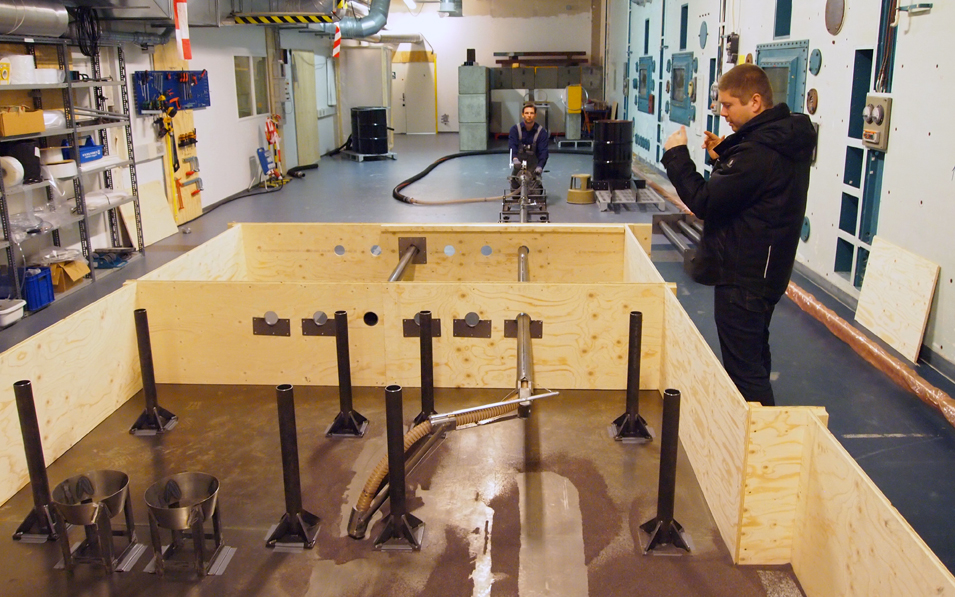
The Danish Parliament's Finance Committee on October 27, approved a parliamentary resolution concerning the decommissioning of the Hot Cell facility.
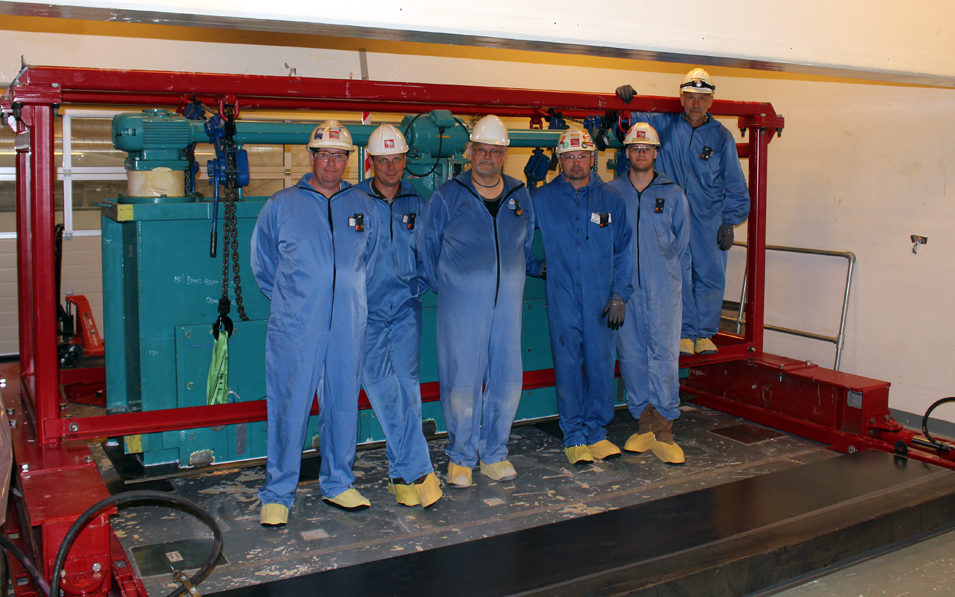
An ingenious, self-propelled lifting gantry has, over the past week, removed five partition walls from the so-called Hot Cells. This marked the commencement of the next phase in the complex project.
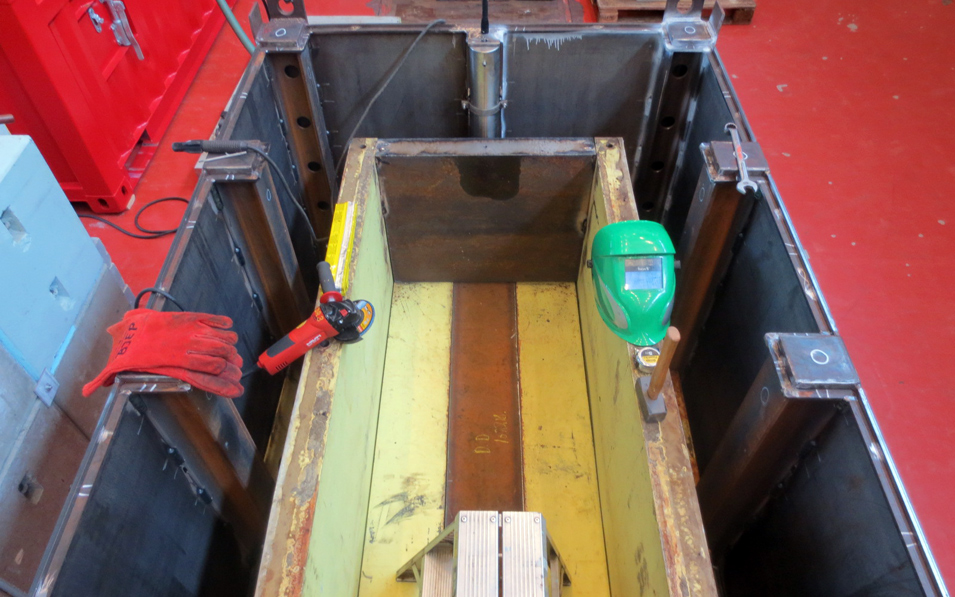
A significant part of the work involved in dismantling the old nuclear facilities is the packaging of radioactive waste into containers. Optimal utilization of space within each container is crucial, requiring both ingenuity and meticulous planning to complete this intricate task.

Over the past six months, a team of employees has been engaged in dismantling a storage block situated close to the old DR 3 reactor. The team must experiment to identify the most effective methods.
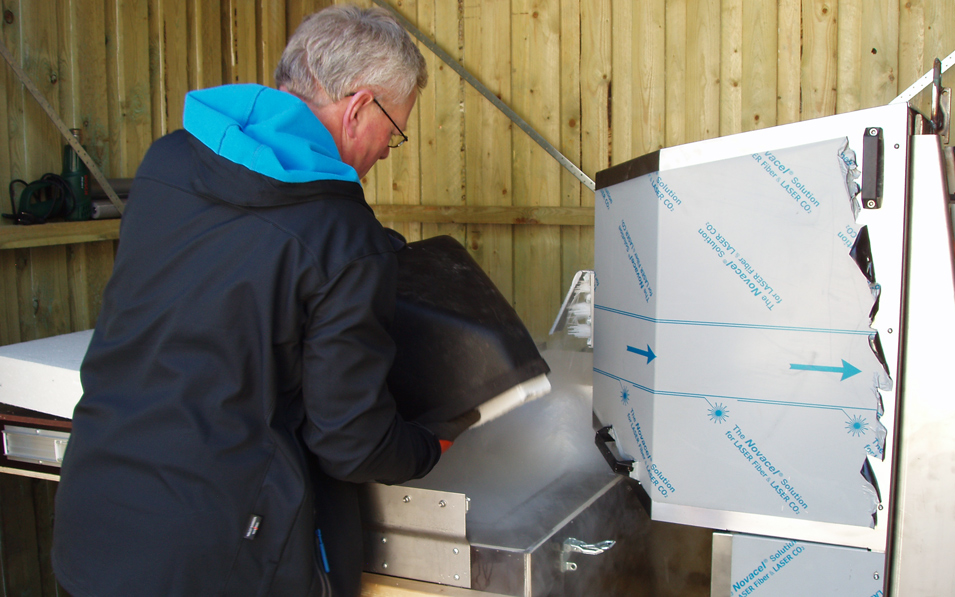
When Project Engineer Morten Dalby wakes up at 5 AM, he immediately grabs his mobile phone to remotely start Danish Decommissioning's very own ice machine. A few hours later, a large box of dry ice is ready on the Risø peninsula for the removal of environmentally hazardous paint.